What are the four types of SD cards?
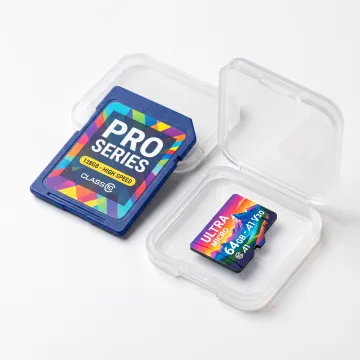
The four main SD card capacity standards are SDSC, SDHC, SDXC, and SDUC. SDSC cards generally hold up to 2 GB, SDHC covers 2 GB to 32 GB, SDXC ranges from 32 GB to 2 TB, and SDUC extends beyond that range. Each format has compatibility requirements, so the receiving device should support the selected card standard.
What is the difference between SD and Micro SD cards?
Standard SD cards and Micro SD cards use the same general storage standards but differ in physical size. SD cards are commonly used in cameras, laptops, and larger equipment, while Micro SD cards suit phones, compact cameras, action cameras, and small devices. Micro SD cards can often be used in SD card slots with an adapter, provided the device supports the card’s capacity standard.
Can you put my files on custom SD or Micro SD cards?
Yes. DiscBurn provides SD card and Compact Flash duplication as part of its digital media capabilities. For the smoothest project setup, provide finalized files and identify the intended devices, required number of cards, and preferred card format. Those details help determine suitable capacity, compatibility considerations, and the most efficient way to prepare your content for distribution.
Can SD and Micro SD cards be custom printed?
Custom printing gives memory cards a branded, retail-ready appearance and makes it easier for recipients to identify the content. DiscBurn offers custom branding and full-color printing across its digital media services. Share your logo, artwork, brand colors, and any required text early in the project so the design can be reviewed for clarity, legibility, and an appropriate fit for the selected card format.
How much storage capacity do I need for my project?
Choose capacity based on the final size of your files, plus room for file-system formatting and future revisions if needed. Video, high-resolution images, software installers, and lossless audio typically require more space than documents or compressed audio. It is wise to use finalized content when calculating capacity, then select a card standard your recipients’ devices can reliably read.
What files can be duplicated onto memory cards?
Memory cards can hold many common digital file types, including PDFs, images, video, audio, software installers, presentations, and training resources. The key consideration is whether the recipient’s device can open or play those files. Organize files with clear names and folders before submission, and include any instructions recipients need to access the content on their intended device.
What order quantities can DiscBurn handle?
DiscBurn can support projects from as few as 10 units to as many as 10 million discs and media items, making it suitable for limited campaigns, events, product releases, and large distribution programs. Quantity affects production planning, unit pricing, and turnaround expectations. Providing your target quantity early helps DiscBurn recommend a practical production approach for your project.
Does DiscBurn ship custom memory card orders?
Yes. DiscBurn is centrally located in Minneapolis, MN and ships completed orders worldwide. Shipping options should be planned around the delivery destination, quantity, packaging requirements, and needed arrival date. If your project has multiple recipients or a time-sensitive launch, provide those fulfillment details with your request so packaging and distribution needs can be considered from the start.